

Hi there!
I’m Mappy, your Maplytics Mascot, and a friendly guide to smarter field operations.

I spend a lot of time meeting business owners, sales heads, and operations managers who come to us with one thing in common- ‘concern for their businesses’.
It is not usually about technology or the features of Maplytics.
But about control, growth, team morale, customer satisfaction, and whether automation will truly make their lives easier.
Many of the questions I hear are practical, strategic, and at times even emotional.
“Will my reps accept this?”
“Will I lose visibility?”
“Will this really work in real life?”
And honestly, those are the right questions to ask.
So instead of repeating what Auto Scheduling is (you’ve probably read that everywhere already), I’ve gathered some of the real questions business leaders ask us about Auto Scheduling.
Let’s begin.
Q1. Does Auto Scheduling really change behavior, or just automate the same inefficiencies?
If automation simply digitizes bad planning, nothing improves.
Maplytics’ Auto Scheduling does not just assign appointments faster. It forces structured thinking into field planning. Rules, priorities, regions, travel logic, availability, and workload balancing are defined intentionally. That alone improves operational discipline.
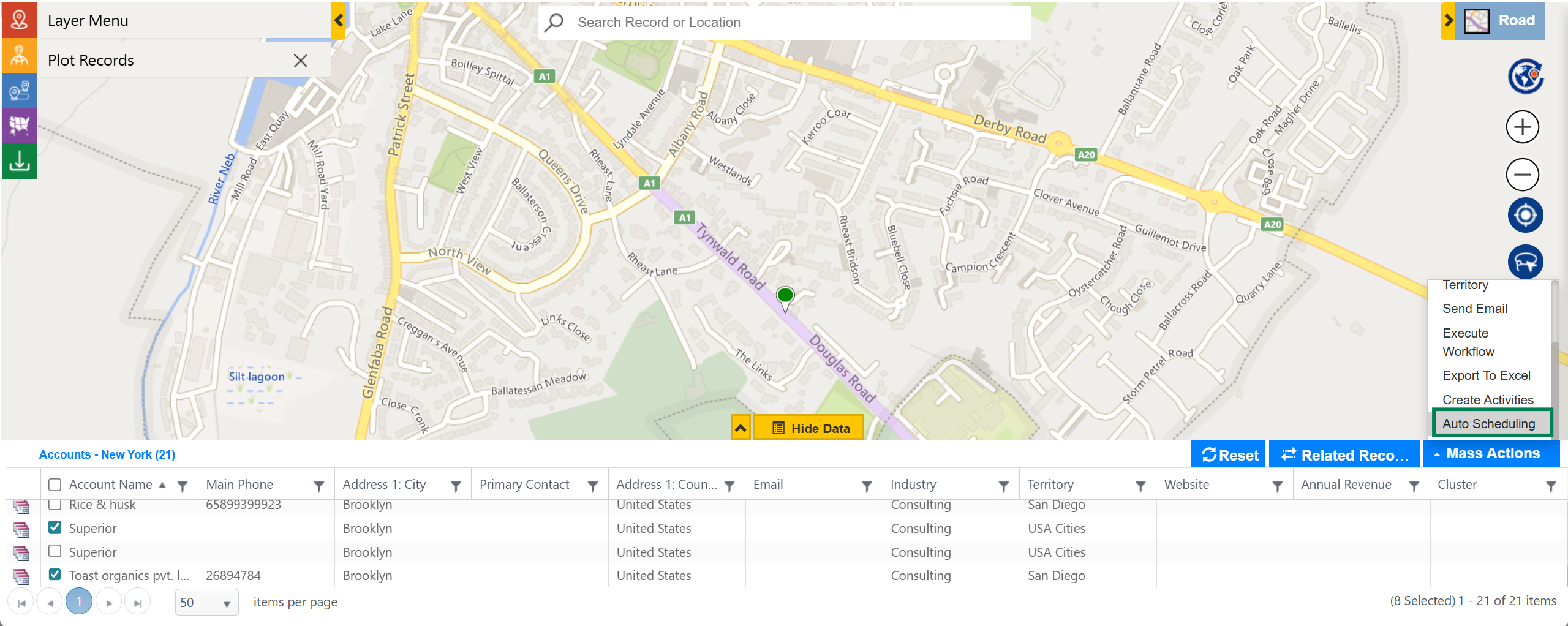 Instead of relying on one experienced dispatcher’s memory, the system enforces consistent logic across the team. The automated planning is teamed up with optimized routing as well for clear, end-to-end directions, making travel convenient too.
The result is faster scheduling and smarter operational behavior.
Q2. Will my best reps feel restricted by automated schedules?
Top performers often resist structure. They believe their instincts are better than algorithms.
But what typically happens with Auto Scheduling is the opposite.
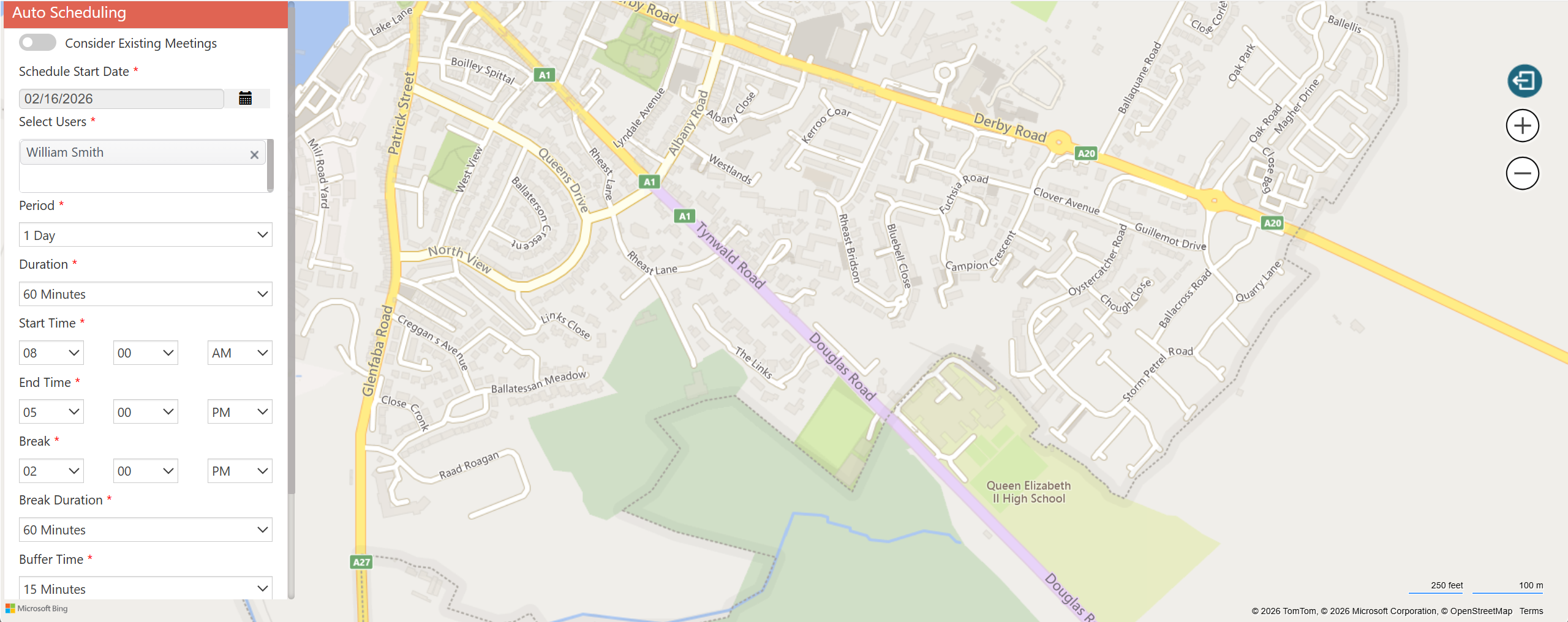 High-performing reps benefit the most because Auto Scheduling removes low-value friction. They spend less time planning routes, reorganizing appointments, or reacting to unexpected gaps in their schedules. Instead, they focus on selling, influencing, servicing, and building healthy client relationships.
Maplytics allows flexibility while ensuring the day is structured logically. The system supports performance. It does not control it. Who does not appreciate an efficient work-life balance in this day and age?!
Q3. Can Auto Scheduling handle complex territory overlap without creating chaos?
Territory overlaps are common in growing organizations. Manual planning often leads to confusion, duplicated visits, or neglected accounts.
Maplytics Auto Scheduling uses both territory logic and geographic intelligence. It understands individual region allocation and optimizes based on proximity, skill, and availability.
The result is balanced coverage without unnecessary overlap. Field managers gain visibility into who is working where and why.
It becomes intentional coverage rather than accidental duplication.
Q4. What happens when real life does not follow the schedule?
This is where most scheduling systems fail.
Traffic gathers, unannounced. Clients cancel or postpone. Ad hoc requests appear out of nowhere.
Maplytics Auto Scheduling adapts dynamically. When a meeting is canceled, the system can be used to re-optimize the day. When a high-priority visit is added, it reshuffles intelligently rather than forcing manual chaos. The user calendars also get updated accordingly.
The goal is not to create a rigid plan. The goal is to maintain productivity even when the day changes. That adaptability is where operational confidence grows.
| You can download a 15-day free trial of Maplytics now and experience the tool in your environment! |
Q5. How does Auto Scheduling impact managerial control?
There is often a fear that automation removes managerial oversight.
In reality, it enhances it.
Managers gain visibility into planned coverage, rep utilization, travel efficiency, and schedule adherence. Instead of spending time manually assigning jobs, they focus on strategic decisions to improve field efficiency and presence.
Maplytics provides transparency into scheduling logic and outcomes. Managers can adjust allocation, override schedules when needed, and fine-tune priorities.
Control shifts from reactive micromanagement to proactive optimization.
Q6. Does Auto Scheduling improve planning accuracy over time?
Yes, and this is often overlooked.
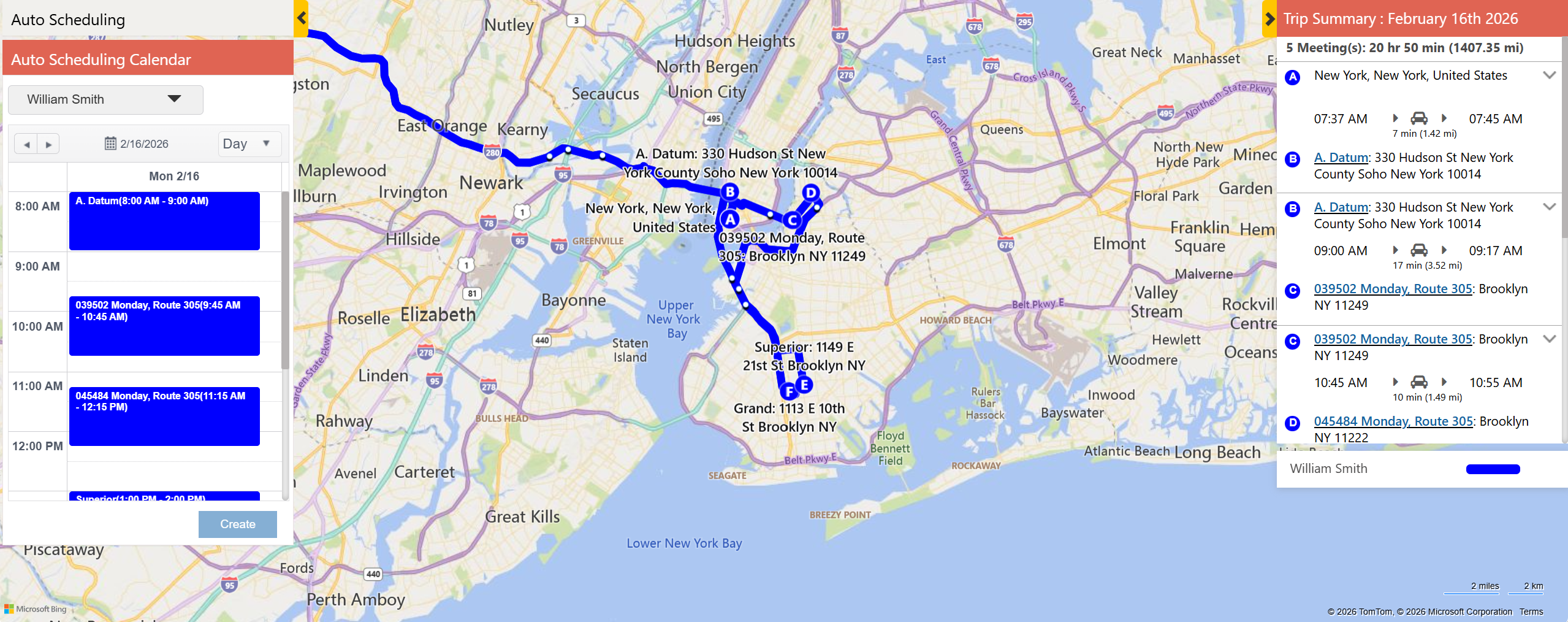 The more you use a structured scheduling system, the more predictable your operations become. Travel times get more accurate, allocation planning is based on real data, and appointment durations become easier to estimate. Maplytics helps organizations move from guesswork to measurable planning accuracy.
Over time, forecasting improves because schedules reflect operational reality rather than optimism.
Q7. How does Auto Scheduling influence field team morale?
Field reps do not enjoy chaotic days, unrealistic routes, or last-minute reshuffling. When schedules are logical and achievable, stress reduces significantly.
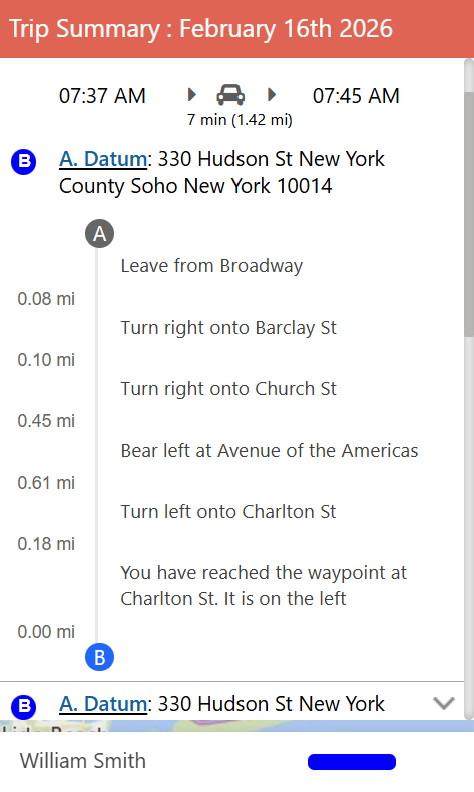 Balanced workloads prevent burnout. Reduced drive time improves work-life balance. Clear daily plans increase confidence.
Auto Scheduling quietly supports morale by removing friction that often goes unnoticed until it is gone.
Q8. Can Auto Scheduling support strategic growth?
Absolutely. As organizations expand territories, add reps, or increase visit volumes, manual scheduling becomes fragile. Complexity multiplies quickly.
Maplytics’ Auto Scheduling scales without adding operational overhead. New reps can be onboarded. Growing visit volumes are optimized automatically.
Growth becomes manageable because planning infrastructure is already in place.
Q9. Is Auto Scheduling only for high-volume field service teams?
Not at all.
While it is powerful for field service, it is equally impactful for field sales, inspection teams, healthcare outreach, utilities, and any mobile workforce managing multiple appointments.
The common factor is geographic movement combined with time constraints.
Wherever those two exist, Auto Scheduling drives measurable improvement.
Q10. What changes after implementing Auto Scheduling?
After implementation, teams typically notice-
Schedules feel realistic
Travel feels purposeful
Managers see clearer coverage patterns.
Reps spend more time with customers.
Operational conversations become data-driven
Maplytics transforms scheduling from a daily struggle into a strategic advantage.
Why Maplytics Auto Scheduling Stands Out
Auto Scheduling is not just about automation. It is about intelligence layered onto geography.
As Maplytics is built with location intelligence at its core, scheduling decisions are grounded in spatial reality. Travel sequences are logical. Territory coverage is visible. Planning is tied directly to CRM data and not to a disconnected scheduling tool.
What’s more?
Do you wish to streamline your business workflows and gain operational productivity? Maplytics with MapCopilot, its AI assistant, is available immediately for Dynamics 365, Power Apps, Power Pages, and Dataverse. Organizations interested in adoption, 15-day free trials, or personalized demos are encouraged to contact Maplytics’ sales team at crm@inogic.com
For more information, visit our website or Microsoft Marketplace. One can hop onto the detailed Blogs, Client Testimonials, Success Stories, Industry Applications, and Video Library for a quick query resolution. Technical docs for the working of Maplytics are also available for reference.
Kindly leave us a review or write about your experience on the Microsoft Marketplace or the G2 Website.

Sam Kumar
https://www.maplytics.com/Sam Kumar is the Vice President of Marketing at Inogic, a Microsoft Gold ISV Partner renowned for its innovative apps for Dynamics 365 CRM and Power Apps. With a rich history in Dynamics 365 and Power Platform development, Sam leads a team of certified CRM developers dedicated to pioneering cutting-edge technologies with Copilot and Azure AI the latest additions. Passionate about transforming the CRM industry, Sam’s insights and leadership drive Inogic’s mission to change the “Dynamics” of CRM.